$5.99 flat-rate shipping on 1–3 retail packs · Free standard shipping on 4+ · Mix & match
A point-of-need light

Where Gator Eyes fit—and why owning several makes sense.

Gator Eyes are not a one-job flashlight. They are a small point-of-need light and visible marker that becomes more useful when each light stays assigned to a place or task. Start with the three strongest use paths, then explore the specific locations below.

Browse by location

Where Gator Eyes earn their keep.

The product works best when you give each light a home. Use the tabs for a quick look, then open the detailed guides below for placement ideas and the kind of tasks each location tends to create.

Field light without field bulk.

Clip one to a pack strap, blind edge, tackle bag, branch, or gear bin. Use it to see inside a pack, rig tackle, sort gear, mark a reference point, or put a little light close to the work without holding a flashlight in your teeth or sacrificing a hand.

Best idea: keep the light with the gear, not in a separate flashlight drawer.

Hunting packTackle trayBoat compartmentBlind or standCamp binGame tracking marker
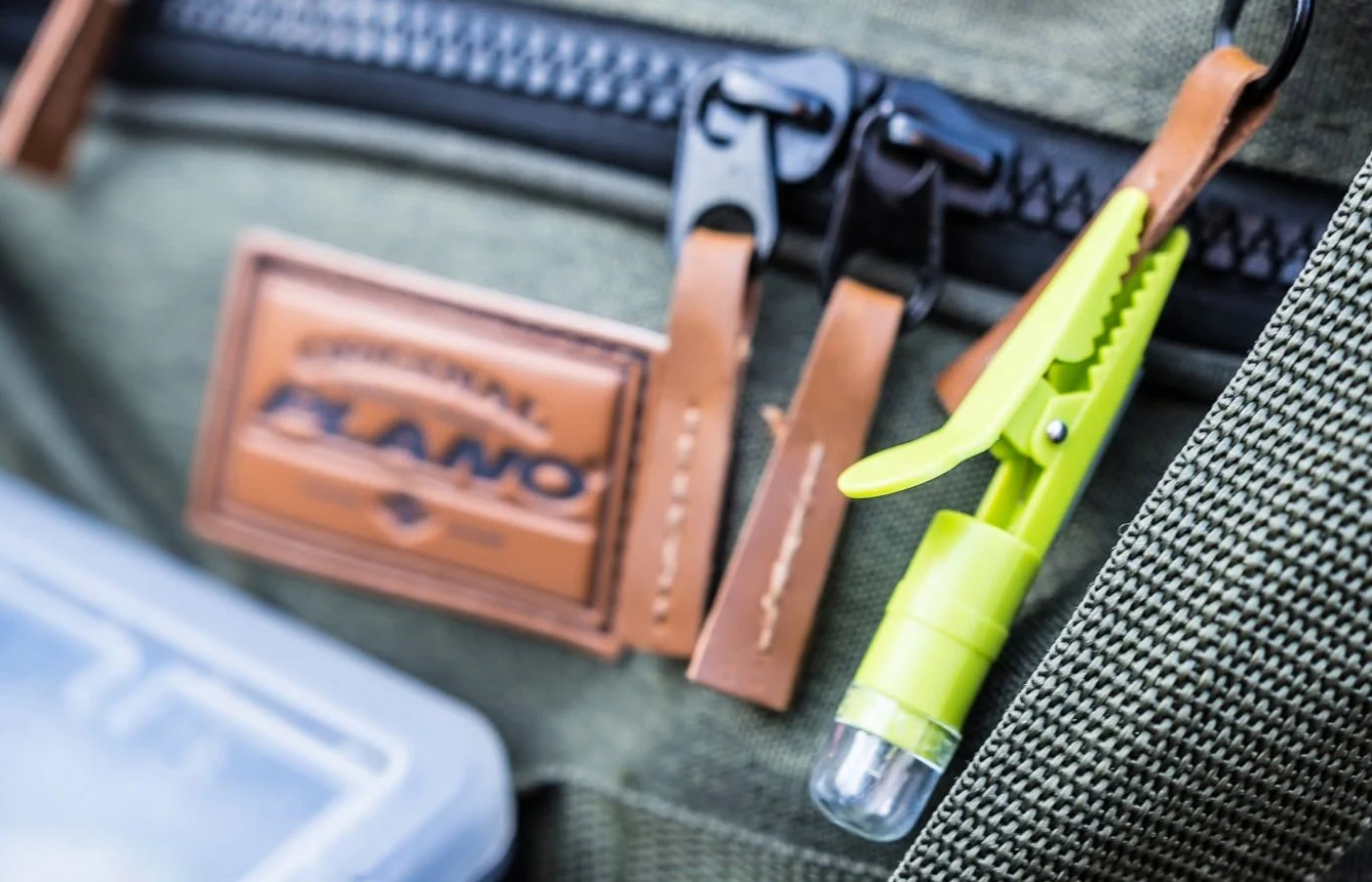
Gator Eyes clipped to field gear

A glove-box light for the problem that happens beside the car.

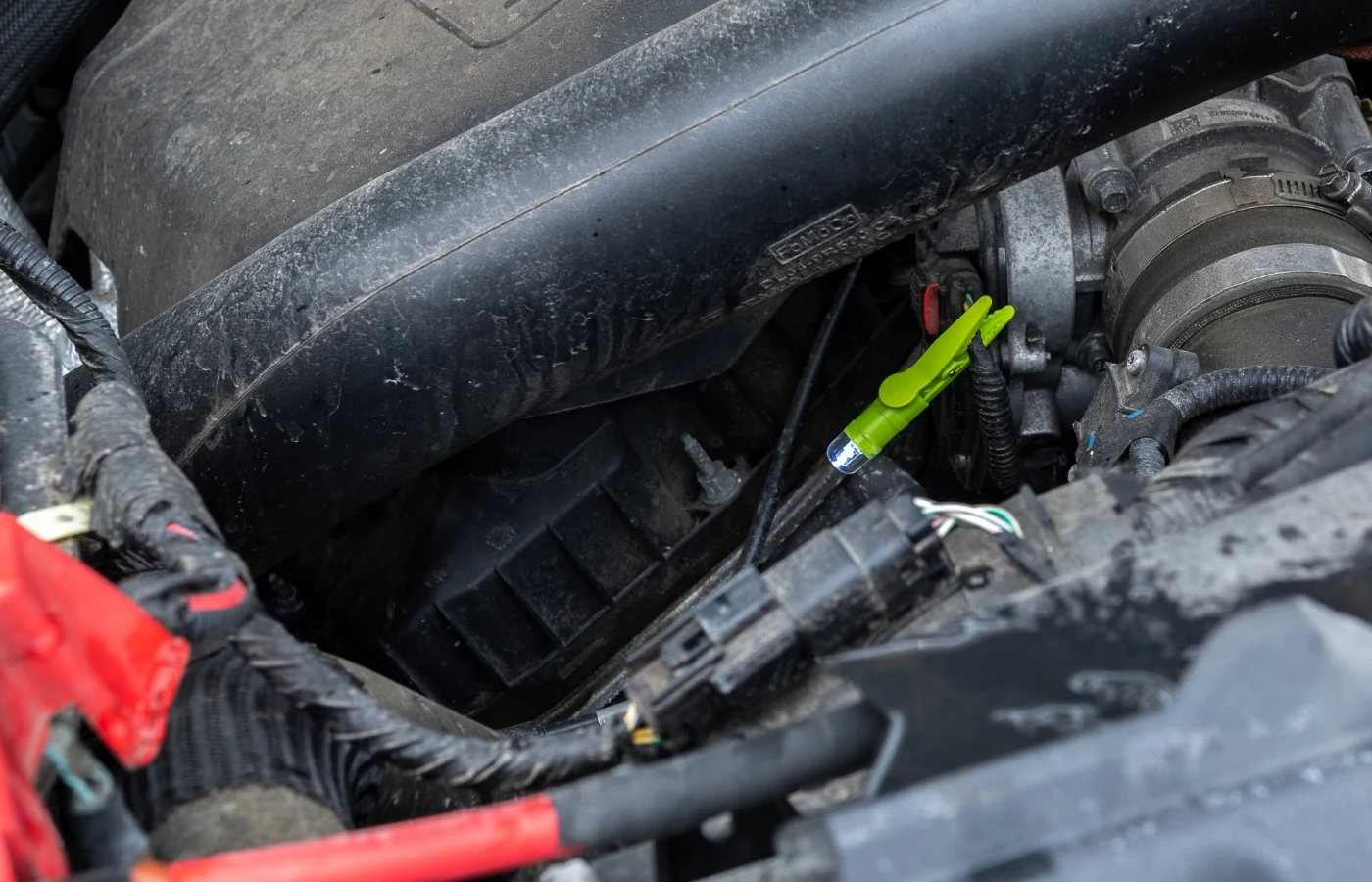
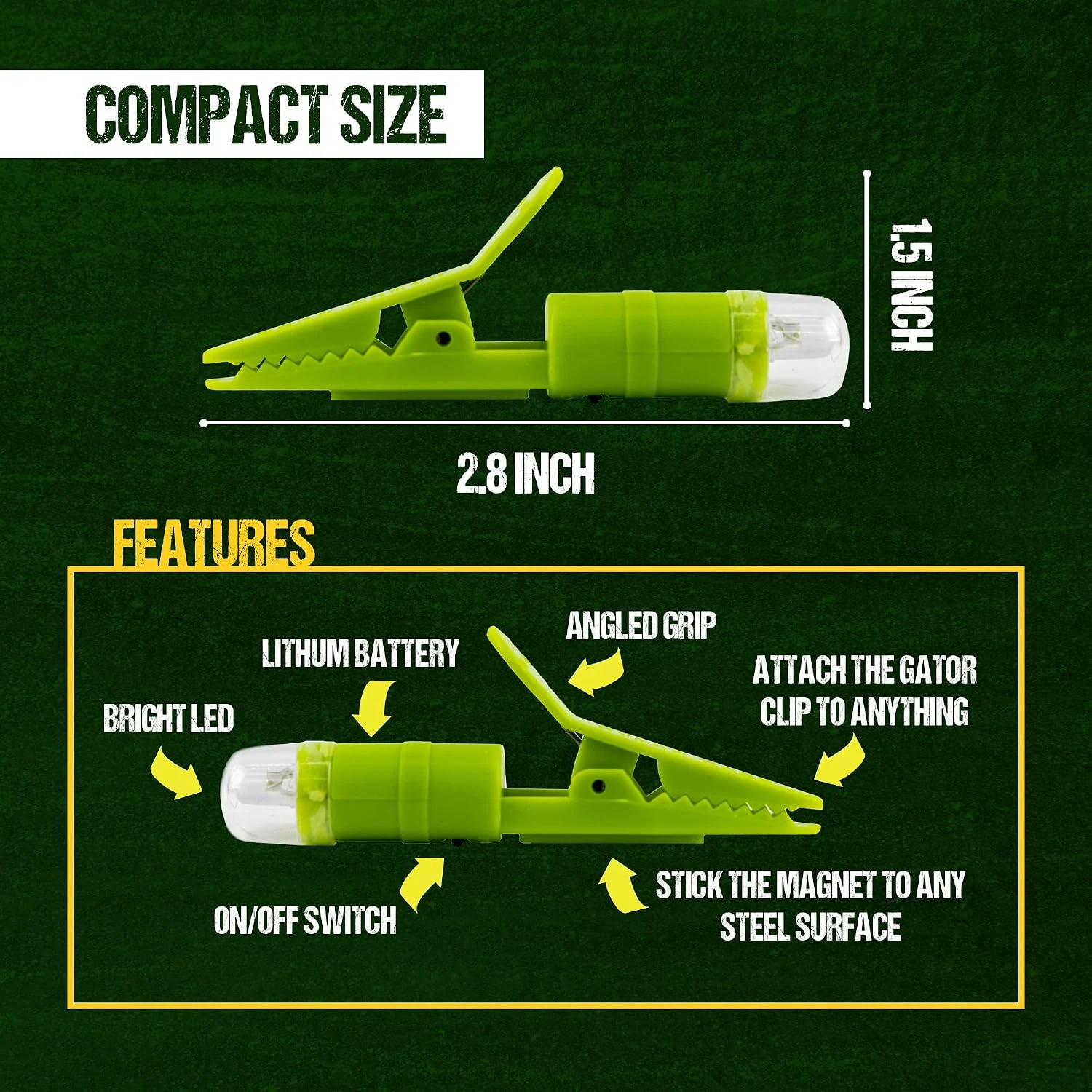
Keep one in the glove box or roadside bag, then use the magnet on a suitable steel surface or the clip on a bag, strap, or edge. It is useful for quick under-hood checks, finding a dropped item, sorting a trunk kit, looking at a trailer connection, or lighting the exact spot your hands are working.

Remember: not every vehicle panel is magnetic. Aluminum and some stainless surfaces will not hold a magnet.

Glove boxTrunk kitTrailer checkRoadside bagTool rollUnder hood
Gator Eyes lighting an engine compartment

The little home light that lives where the outage starts.

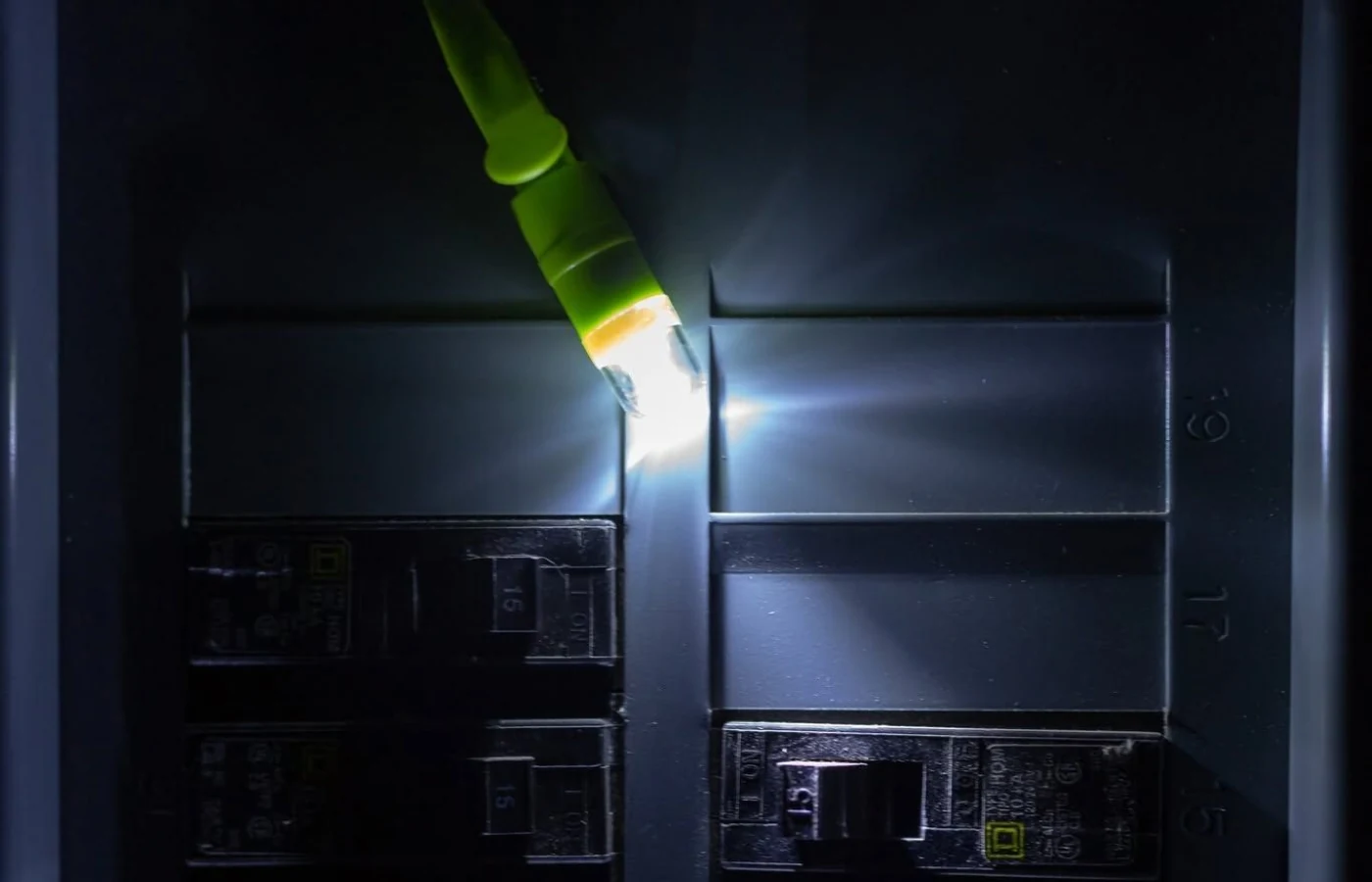
Think about where you actually go when the power disappears: breaker panel, utility closet, kitchen drawer, basement stairs, nightstand, storm kit, or weather-radio shelf. Gator Eyes are supplemental emergency and household lights that can stay close to those spots instead of depending on one central flashlight.

Good practice: keep a primary flashlight or lantern too, and periodically check any light you store for emergency use.

Breaker panelStorm kitKitchen drawerUtility closetBasementNightstand
Gator Eyes beside a weather radio for storm-kit and power-outage use

A small magnetic work light for the five-minute job.

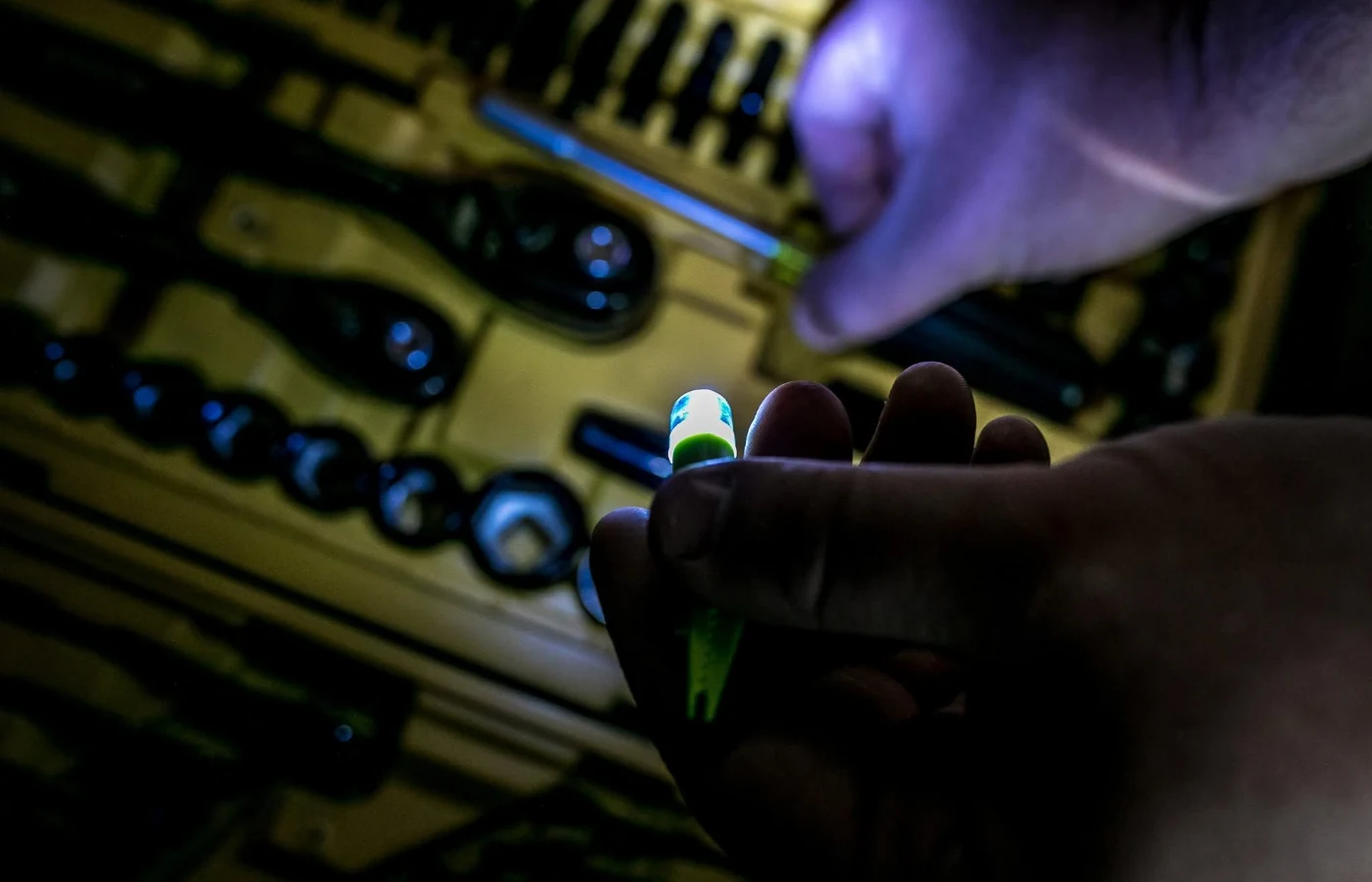
Magnet one to a steel toolbox or shelf, clip it to a parts bag, or stash it in the drawer where you keep small tools. It is not a replacement for a full work light; it is the light that gets you through the fuse, fastener, part number, cable, or quick repair when holding a flashlight is one hand too many.

Best for: close work and quick checks rather than lighting an entire garage.

ToolboxWorkbenchSteel shelfParts binEquipment bagQuick inspection
Gator Eyes used at a garage tool station

A compact light for the places you do not know in the dark.

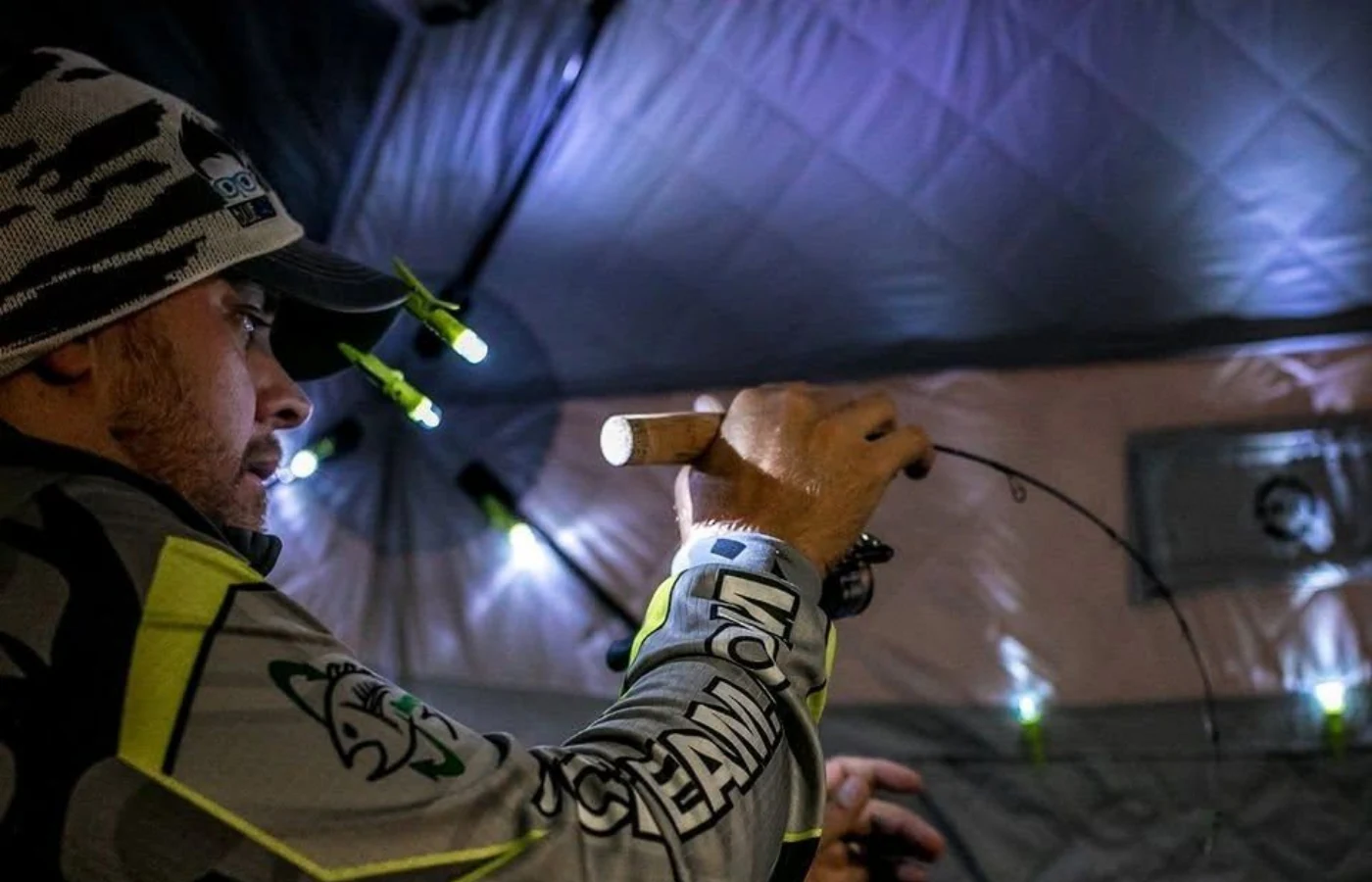
Campers, cabins, motel rooms, ice shacks, storage bins, travel totes, and gear bags all create unfamiliar dark corners. A small clip-on light can stay with the bag or bin, leaving your primary lantern or flashlight free for bigger jobs.

Good placement: one with the travel gear, one with camp tools, and one where you store the emergency supplies.

CamperCabinTravel toteIce shackGear binBoat bag
Gator Eyes providing hands-free light in an outdoor shelter
Where Gator Eyes fits best

Start with the three clearest jobs.

These are not the only uses. They are the best organizing ideas for understanding why a tiny self-contained light makes sense in multiples.

Gator Eyes with weather radio for emergency lighting
01 · Emergency Lighting

Distributed backup light

Keep a primary flashlight or lantern, then place small lights where an outage sends you: breaker panel, storm kit, basement, bedside, and vehicle emergency gear.

Emergency lighting guide →
Gator Eyes for home utility lighting
02 · General Home

Point-of-need utility

Drawers, tool areas, garages, vehicles, campers, tackle bags, and storage spaces all benefit from a light that can simply live there.

Home & utility guide →
Gator Eyes used for game tracking
03 · Game Tracking

Visible trail reference

Mark confirmed sign and important turns so a difficult recovery has physical reference points instead of relying only on memory.

Game tracking guide →
Detailed use guide

Seven places worth putting a small light before you need it.

These are not promises that one tiny light can do every lighting job. They are placement ideas for the tasks where a compact, hands-free utility light has an advantage.

1. Emergency lighting & power outages

A practical emergency-lighting setup uses more than one light and more than one location. Keep a larger flashlight or lantern as your primary source, then use small backup lights at the places you are likely to visit first: the breaker panel, weather radio, nightstand, kitchen drawer, basement, and vehicle emergency kit. Gator Eyes are useful here because a compact light can stay beside the task instead of being borrowed for everyday use and never returned.

During a power outage, a clipped or magnet-mounted light can also keep both hands free while you check a panel, move supplies, or look through a kit. If you keep any battery-powered light for emergencies, check it periodically rather than assuming stored gear is automatically ready forever.

2. General home utility

Home lighting problems are usually small and repetitive: a dark cabinet, the back of a pantry, the shelf under the sink, a utility closet, a basement corner, or the space behind an appliance. A mini LED utility light makes sense when it can stay in the drawer or closet where the problem occurs. Use the clip on a shelf edge, bag, or organizer; use the magnet only where the surface is actually magnetic.

3. Vehicle & roadside kit

A glove-box light or car emergency light does not need to replace the primary flashlight in your roadside kit. Its job is to be easy to find and easy to position for quick tasks: checking a fuse, reading a label, looking under a seat, finding a tool, inspecting a trailer connection, or putting light near an engine-bay component while both hands are occupied. Keeping more than one small light also means a passenger can have light while you are working elsewhere.

4. Garage, toolbox & workshop

This is where the magnet earns its keep. Many toolboxes, steel shelves, brackets, and pieces of equipment give you a convenient place to mount a small light close to the work. For nonmagnetic surfaces, the clip can attach to a bag, pocket, strap, bin, or nearby edge. Think quick repair light, inspection light, fuse-box light, parts-bin light, or a backup to the larger work light you use for longer jobs.

5. Fishing & boating

Early launches and evening fishing create a lot of close-up tasks: tying knots, changing a lure, digging through a tackle bag, checking a boat compartment, finding pliers, or organizing gear at the dock. A clip-on utility light can put a small amount of light directly on the bag or tray instead of flooding the whole area. Gator Eyes are not sold as a submersible light, so treat them as gear lighting rather than underwater lighting.

6. Camping, cabins & travel

Campers and cabins usually have a lantern somewhere—but the lantern is not always beside the zipper, drawer, storage tote, bunk, or outside compartment you are trying to use. Keep Gator Eyes with the travel bag, camp kitchen, tool tote, or emergency supplies so a close-range light is already in the right zone. The clip is especially useful when there is no magnetic surface available.

7. Hunting, field work & game tracking

For general field use, the value is compact backup light and visible reference points. Keep a light in the hunting pack for gear organization, blind setup, short close-range tasks, or marking a location you need to find again. For game recovery, the dedicated Game Tracking Kit adds enough markers to build a visible chain of confirmed reference points as you work a trail. It is a marking system used alongside your primary tracking light—not a replacement for it.

See the Game Tracking Kit and the detailed tracking workflow.

A five-light starting plan

If you buy one 5-Pack, give every light a job on day one.

01

Storm kit

A supplemental light stored with the radio, batteries, first aid, and other emergency supplies.

02

Breaker panel

Put light where one of the first outage tasks actually happens.

03

Glove box

For quick roadside, parking-lot, under-seat, and vehicle-kit tasks.

04

Toolbox or garage

A magnetic clip light for close inspections and small repairs.

05

Your gear

Tackle bag, hunting pack, camper, boat bag, travel tote—choose the place you already know gets dark.

Make the lights boringly easy to find

Pick the locations now. Stop looking for a flashlight later.

End of useful life

Used it up? Recycle it right.

Gator Eyes contain sealed, non-replaceable LR41 alkaline button cells. Leave the light intact and use a battery/electronics, retailer take-back, or local collection program that confirms it accepts the complete device. Local requirements vary.

Gator Eyes Recycling Guide